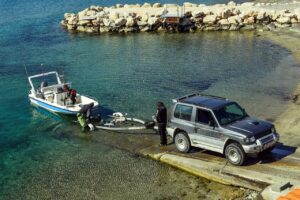
Ein Abenteuer auf Europas Straßen steht bevor, der Anhänger ist beladen, die Reise kann beginnen. Doch bevor die Fahrt losgeht,

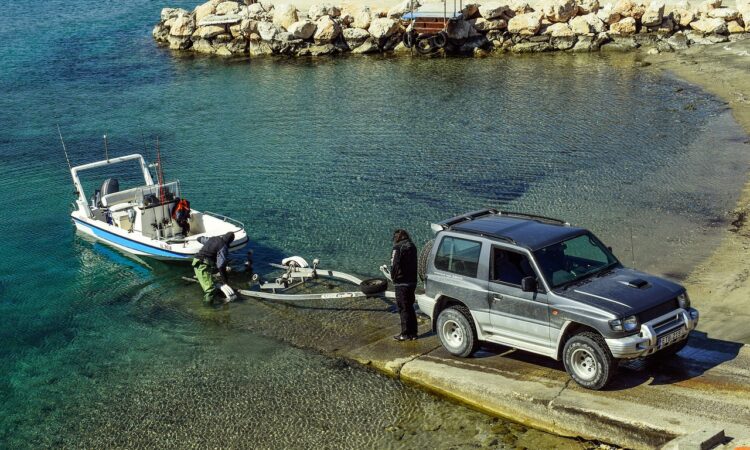

Ein Abenteuer auf Europas Straßen steht bevor, der Anhänger ist beladen, die Reise kann beginnen. Doch bevor die Fahrt losgeht, lohnt es sich, einen Blick
Weiterlesen
Was tun mit den alten Dias? Viele Menschen haben in ihrem Keller oder Dachboden alte Dias herumliegen. Doch was kann man mit diesen Dias tun?
Weiterlesen
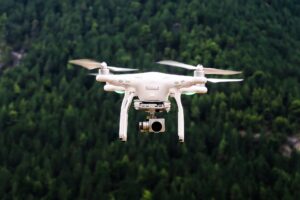
Egal, ob kunstvoll gestaltete Aufnahmen für die Ewigkeit oder dokumentarische Fotos, um Erinnerungen an einen besonderen Moment festzuhalten – mit einer Drohne lassen sich atemberaubende
Weiterlesen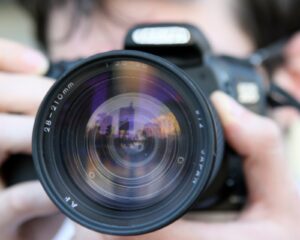
Viele zukünftige Fotografen haben ihre Karriere als Hobby-Fotografen begonnen. Erst nach Jahren laienhafter Ausübung des Hobbys folgt die Entscheidung, seine Dienste auch an Dritte anzubieten.
Weiterlesen
In der Regel beginnt es mit der eingebauten Smartphone-Kamera, der Ehrgeiz wird geweckt und die innere Muse geküsst. Dann werden schnell die technischen Grenzen der
Weiterlesen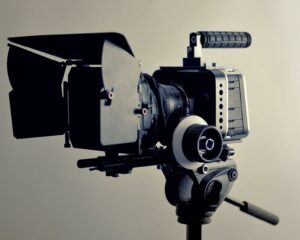
Videos wurde auf Produktseiten lange zu wenig genutzt, aber mittlerweile ist die Zeit des Übergangs gekommen. Die Zahl der E-Commerce-Shops, die Produktvideos verwenden, schießt in
Weiterlesen
Wenn Sie mit Ihrem Unternehmen im digitalen Zeitalter erfolgreich sein wollen, müssen Sie nicht nur ein hochwertiges Produkt herstellen oder eine spezielle Dienstleistung erbringen. Für
Weiterlesen
Die Bedeutung von Events für den Unternehmenserfolg Es mag vielleicht verwogen klingen, wenn man in Covid-Zeiten von Events spricht, die Zeit dafür dürfte aber wieder
Weiterlesen
Nicht jeder benötigt unbedingt eine neue Kamera, wenn es darum geht, gelegentlich Bilder im Urlaub zu knipsen oder Videos zu filmen. Viele gebrauchte Kameras sind
Weiterlesen
Fotografieren war nicht immer so einfach und effizient wie heute. Noch vor einigen Jahren musste man sich zwischen dem Dia- oder Negativfilm entscheiden, um Bilder
Weiterlesen